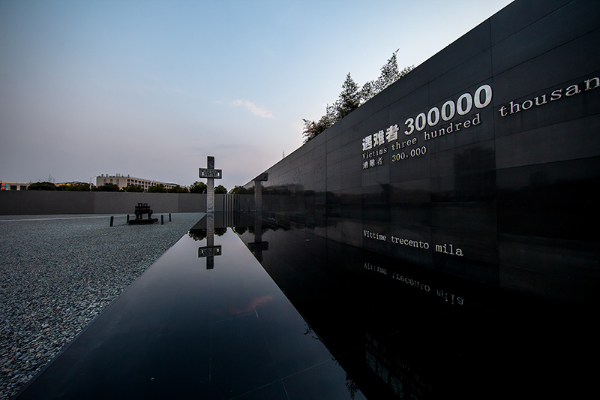
Nanjing Massacre Memorial Hall
Overview
The Nanjing Massacre Memorial Hall, formally known as the Memorial Hall for the Victims of the Nanjing Massacre by Japanese Invaders, is a significant historical site located at 418 Shuiximen Street in the Jianye district of Nanjing, Jiangsu province, China. This memorial hall serves as a solemn reminder of the atrocities committed during the Nanjing Massacre, which occurred after the Japanese Imperial Army captured Nanjing on December 13, 1937. Over the course of six weeks, Japanese troops brutally killed more than 300,000 civilians and unarmed soldiers, raped over 20,000 women, and ransacked one-third of the city, resulting property losses that were beyond count. The memorial hall commemorates these tragic events and stands as a testament to the resilience and fortitude of the human spirit in the face of unimaginable horror. It is open to the public from 8:30 to 16:30, free of charge, and is closed on Mondays except for national holidays.
Historical Background
The Nanjing Massacre, is one of the most harrowing episodes in 20th-century history. Following the fall of Nanjing, the Japanese Imperial Army unleashed a wave of violence that led to the deaths and suffering of countless individuals. The massacre began on December 13, 1937, and continued for six weeks, during which the invading forces systematically executed civilians and unarmed military personnel. The brutal acts extended to mass rapes, looting, and widespread destruction of property. The international community was shocked by the reports of these horrific events, and the massacre remains a focal point in discussions of wartime atrocities. The Nanjing Massacre Memorial Hall serves as a crucial reminder of this dark chapter in history, emphasizing the need for reflection, reconciliation, and remembrance.
Establishment of the Memorial Hall
The Nanjing Massacre Memorial Hall was established in 1985 by the Nanjing municipal government at Jiangdongmen, one of the sites of execution and mass burial during the massacre. As the first war memorial of its kind in China, its creation marked a significant step in acknowledging and preserving the history of the Nanjing Massacre. The memorial was expanded in 1995 to cover an area of approximately 103,000 square meters, reflecting the ongoing commitment to honoring the victims and educating future generations. The site is divided into three main sections: outdoor exhibits, sheltered skeletal remains of victims, and an exhibition hall of historical documents. The memorial hall features 5,381 photographs, 9,992 historical objects, and 262 video records, employing architecture, sculptures, and multimedia to convey the events of the massacre with dignity and clarity.
Survivor Testimonies
A pivotal aspect of the Nanjing Massacre Memorial Hall is the inclusion of survivor testimonies, which provide personal insights into the experiences of those who lived through the atrocity. These testimonies, documented in video and written formats, offer powerful narratives that humanize the historical events and emphasize the resilience of the survivors. By preserving these firsthand accounts, the memorial hall ensures that the voices of the victims and witnesses are heard and remembered, adding a deeply personal dimension to the historical record. The testimonies serve as a poignant reminder of the human cost of war and the enduring impact of trauma, fostering empathy and understanding among visitors.
Significance
The Nanjing Massacre Memorial Hall holds profound significance both domestically and internationally. It functions as a historical and educational institution, providing visitors with a comprehensive understanding of the massacre and its impact on Chinese society. The memorial hall's exhibits are organized around five themes: Atrocity, Resist, Victory, Trial, and Peace, facilitating a nuanced exploration of the massacre's causes, consequences, and lessons. The presence of historical artifacts, many of which were donated by members of a Japanese-Chinese friendship group, underscores the importance of cross-cultural dialogue and reconciliation. Furthermore, the memorial hall serves as a venue for annual national memorial ceremonies, particularly on December 13, which was designated as a National Memorial Day for the Nanjing Massacre Victims by the Chinese government in 2014. These ceremonies reinforce the memorial's role as a site of remembrance and reflection.
International Recognition and Controversies
The Nanjing Massacre Memorial Hall has garnered international recognition for its role in preserving the memory of the massacre and promoting awareness of wartime atrocities. It stands as a symbol of the importance of remembering and learning from history to prevent future acts of violence and injustice. However, the memorial hall has also been the subject of controversies, particularly in the context of differing historical narratives and interpretations. Some debates focus on the accuracy of the reported figures and the portrayal of events, highlighting the complexities of historical memory and reconciliation. The memorial hall remains an essential venue for dialogue and education, promoting a greater comprehension of the past and its implications for the present and future, in spite of these challenges.
Educational and Cultural Impact
As an educational and cultural institution, the Nanjing Massacre Memorial Hall plays a vital role in promoting historical awareness and fostering a culture of peace and reconciliation. Through its carefully curated exhibits and programs, the memorial hall educates visitors about the events of the Nanjing Massacre and their historical context. It also encourages reflection on broader themes of war, humanity, and justice. The memorial's impact extends beyond its physical location, influencing academic research, public discourse, and cultural production related to the Nanjing Massacre and similar historical events. By engaging with diverse audiences, the memorial hall contributes to a global dialogue on the importance of historical memory and the pursuit of lasting peace.
Preservation Efforts
Ensuring the preservation of the Nanjing Massacre Memorial Hall and its collections is a key priority for the site's administrators and stakeholders. This involves ongoing efforts to maintain and improve the physical infrastructure of the memorial, as well as to preserve and digitize its extensive collection of historical artifacts and documents. Collaboration with national and international partners supports these preservation efforts, facilitating research and exchange of best practices in the field of heritage conservation. Additionally, the memorial hall's commitment to public engagement and education reinforces its role as a living institution, dedicated to safeguarding the memory of the Nanjing Massacre for future generations. Article reference1. The Memorial Hall for the Victims of the Nanjing Massacre by Japanese Invaders. chinaservicesinfo.com. 2018Photo Gallery(1 picture)CategoriesCultural FacilityTagCity TourismMemorial HallCatalogue1. Overview2. Historical Background3. Establishment of the Memorial Hall4. Survivor Testimonies5. Significance6. International Recognition and Controversies7. Educational and Cultural Impact8. Preservation Efforts- - - []








